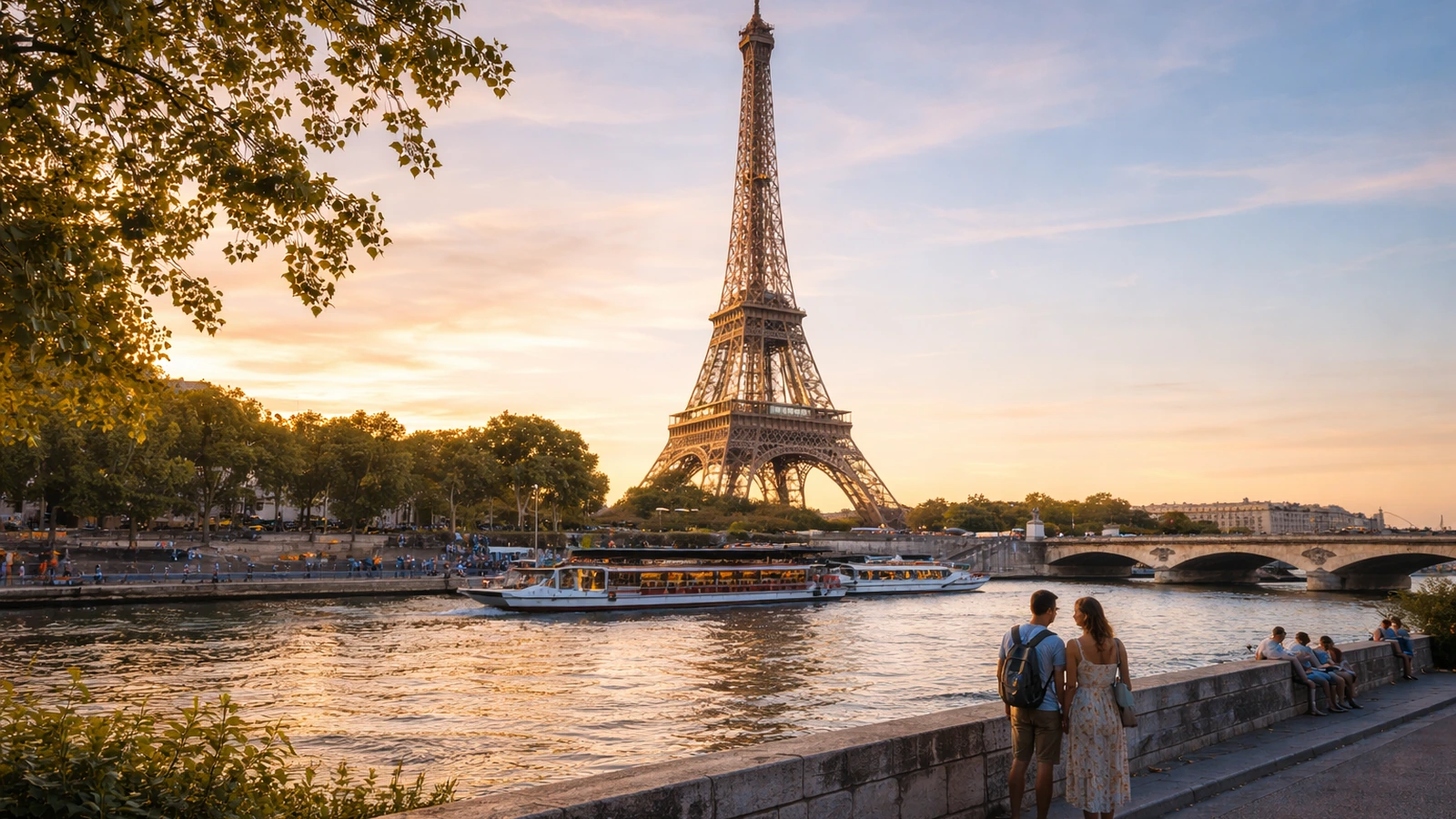
Paris Travel Guide
Best Things to Do in Paris for a Smoother Trip
Planning Paris gets easier when you choose the right highlights first. Start with 1–2 must-book attractions, stay inside walkable areas, and build days that feel exciting instead of rushed.
What this Paris guide helps you do
Find the right attractions faster, avoid wasted time, and book with more confidence.
Paris can be unforgettable, but it can also feel slow if you book the wrong things at the wrong time. The easiest approach is simple: lock in your high-demand attractions first, group nearby stops together, and leave room for cafés, viewpoints, and walks that make the city feel special.
This page is built for travelers who want both useful planning advice and easy booking options. You will find quick picks, a fast comparison table, booking tips, and live widgets to compare attractions, tours, and experiences in one place.
Quick picks
If you want the best options fast, start here.
Popular attractions can fill quickly on busy dates. If Paris is a key stop on your trip, it is worth checking availability early.
Plan Paris the smart way
Four pages, one cleaner trip.
Tip: solve arrival, hotel area, and first timed-entry ticket before you do anything else.
Quick comparison
Use this to decide what to reserve first.
| Experience | Best for | Booking urgency | Typical vibe |
|---|---|---|---|
| Louvre Museum | Art, iconic first visit, major highlight | High | Structured, high-demand, rewarding |
| Eiffel Tower | First-time Paris, views, classic moment | High | Iconic, scenic, peak-hour sensitive |
| Seine River Cruise | Easy add-on, couples, evening plans | Medium | Relaxed, photogenic, low friction |
| Musée d’Orsay | Art lovers, calmer museum pairing | Medium | Elegant, focused, easier pacing |
| Montmartre | Walking, atmosphere, flexible time | Low | Open-ended, scenic, relaxed |
Why this guide is useful
Clear advice, fast decisions, less wasted time.
- Built for real trip planning: not just what to see, but what to reserve first and how to group your day.
- Easy to scan: quick picks, comparison tables, booking notes, and related guides in one place.
- Made for decision-making: helpful if you are choosing between famous attractions, tours, and low-stress add-ons.
- Affiliate disclosure: some links and widgets may be affiliate-based, at no extra cost to you.
Build your Paris plan in 60 seconds
Choose your trip style, then follow the easiest path.
If you have 2 days
- Pick 2 anchor bookings: one major museum and one skyline or scenic experience.
- Keep each day focused: one side of the city per day works better than crossing Paris repeatedly.
- Book early time slots: your morning booking sets the tone for the whole day.
If you want a romantic trip
- Prioritize atmosphere: Seine cruise, Eiffel Tower, and a slower neighborhood walk.
- Keep one evening open: sunset and night views are part of the experience.
- Do not overbook: leave room for meals, terraces, and spontaneous stops.
If you hate crowds
- Choose weekday slots when possible.
- Go early for museums and later for views.
- Keep a backup indoor option near your current area.
Ticket strategy
Most bad Paris planning comes from late booking or overloading the day.
- Book your must-see attractions first: Louvre, Eiffel Tower, and major museum entries can shape your schedule.
- Use morning anchors: early entries usually create a smoother day.
- Keep one major booking per half-day: that leaves breathing room.
- Do not stack rigid reservations too tightly: security lines, walking, and transit can all add delay.
Best times to visit key Paris attractions
Fast scanning, better timing, fewer planning mistakes.
| Attraction | Best time | Book ahead? | Time needed | Area | Priority |
|---|---|---|---|---|---|
| Louvre Museum | Opening time | Yes | 2.5–4 hrs | 1st (Right Bank) | Anchor |
| Eiffel Tower | Late afternoon or evening | Yes | 2–3 hrs | 7th (Left Bank) | Anchor |
| Musée d’Orsay | Opening time | Recommended | 2–3 hrs | 7th (Left Bank) | Anchor |
| Montmartre & Sacré-Cœur | Morning | No | 2–4 hrs | 18th (North) | Flexible |
| Seine River Cruise | Sunset / blue hour | Recommended | 1–1.5 hrs | Central | Flexible |
| Arc de Triomphe | Late evening | Recommended | 1–1.5 hrs | 8th (Right Bank) | Flexible |
| Sainte-Chapelle | Morning | Recommended | 45–75 min | Île de la Cité | Flexible |
Timing can vary with weather, season, and school holidays, but this is a strong planning baseline.
Neighborhood clusters
See more while spending less time in transit.
Right Bank core
- Main draw: Louvre
- Good add-ons: Tuileries, Palais Royal, Seine walk
- Best for: first-time visitors and classic Paris highlights
Le Marais + Île de la Cité
- Main draw: Sainte-Chapelle or a flexible wandering block
- Good add-ons: bridges, cafés, quieter exploring
- Best for: mixing landmarks with atmosphere
Left Bank culture
- Main draw: Musée d’Orsay
- Good add-ons: Saint-Germain, Luxembourg Gardens
- Best for: art, slower walking, elegant pacing
Skyline zone
- Main draw: Eiffel Tower
- Good add-ons: Seine cruise, viewpoints, evening strolls
- Best for: big wow moments and scenic photos
Best attractions in Paris
The places most travelers want, plus how to think about them.
Louvre Museum
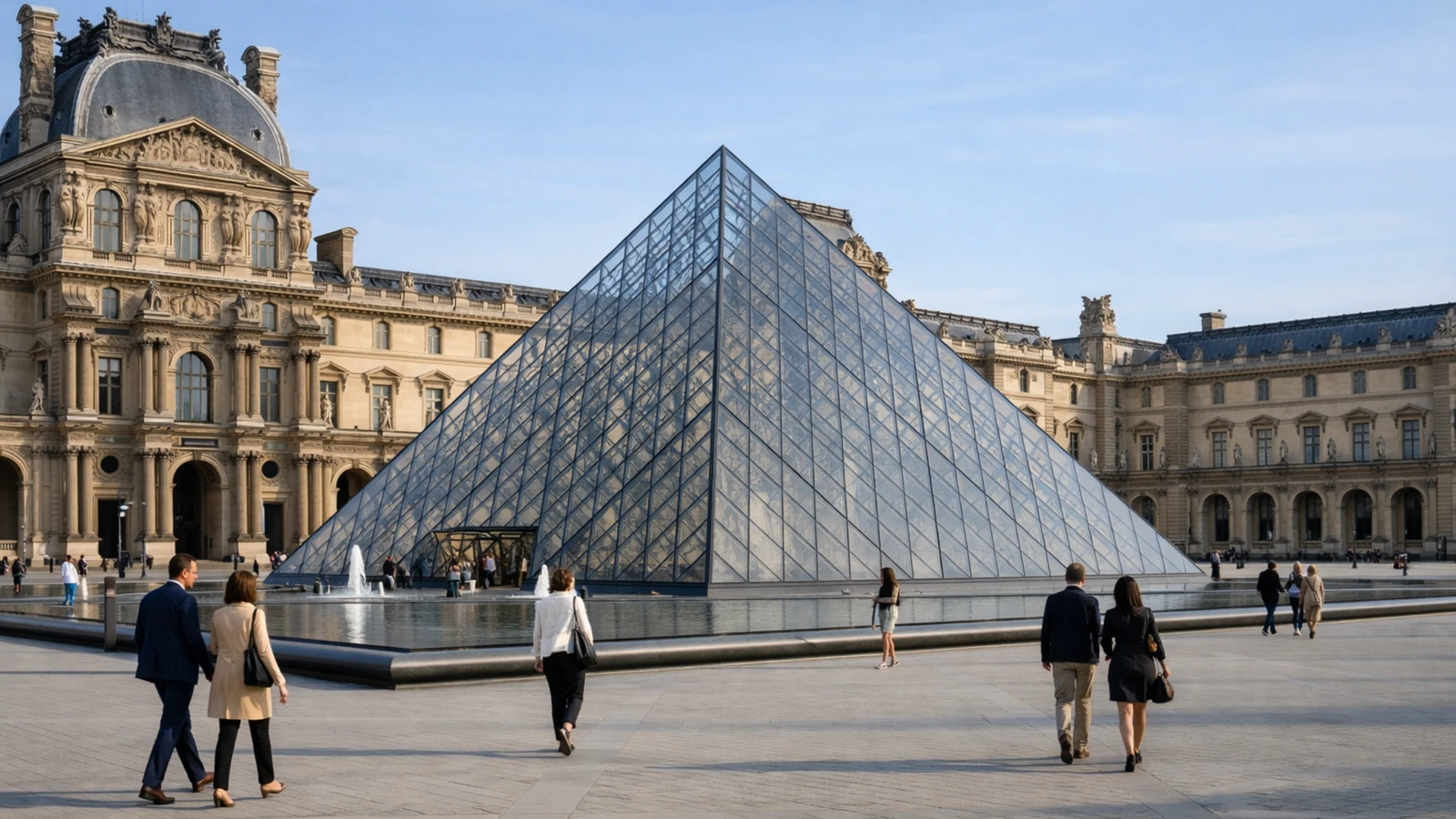
One of the easiest attractions to mishandle if you arrive without a plan. Go early, focus on what you most want to see, and avoid trying to do everything.
Eiffel Tower
Still one of the most memorable Paris experiences. Late afternoon and evening usually feel the most rewarding, especially if you want both daylight and city-light views.
Musée d’Orsay
A strong choice if you want a major museum that pairs naturally with a beautiful, walkable part of the city.
Notre-Dame area & Île de la Cité
Better as a slower block than a rushed stop. It works well between bigger reservations or as part of a flexible day.
Montmartre & Sacré-Cœur
Ideal when you want Paris atmosphere instead of another timed ticket. It rewards a slower pace.
Arc de Triomphe & Champs-Élysées
A strong add-on when you want a shorter attraction with a big visual payoff late in the day.
Some results may contain affiliate links. If you book through them, TripGuidely may earn a commission at no extra cost to you.
Video guide: Paris in action
A quick visual overview before you choose what to book.
Tip: watch with one question in mind — which experiences are worth reserving before you land in Paris?
Search tours & attractions in Paris
Compare options, narrow fast, and book what fits your trip style.
This is the easiest place to browse when you already know your dates, or when you want to compare what is worth booking first. If an experience matters to your trip, do not leave it to the last minute.
Some results may contain affiliate links. If you book through them, TripGuidely may earn a commission at no extra cost to you.
Best tours in Paris
Great when you want a smoother day with less planning friction.

Seine cruises
One of the easiest ways to enjoy Paris without draining your energy. Great for sunset, couples, and first evenings.
Food & pastry tours
Useful early in the trip because they help you learn areas, local rhythm, and what you want to come back to later.
Day trips to Versailles
Best when treated as a full-day plan. Do not squeeze it into an already heavy Paris schedule.
Montmartre walking tours
A good choice when you want story, atmosphere, and a neighborhood that feels easier to enjoy with context.
Some results may contain affiliate links. If you book through them, TripGuidely may earn a commission at no extra cost to you.
Is Paris worth it?
Yes, especially if you plan around quality rather than quantity.
Paris is worth it for most travelers because the city delivers on atmosphere, iconic landmarks, museums, and simple everyday moments. The mistake is usually not Paris itself. It is trying to do too much too quickly.
If you reserve your top priorities in advance and keep your days grouped by area, Paris feels far more enjoyable. You spend less time in lines, less time in transit, and more time actually experiencing the city.
- Worth it for first-timers: absolutely, if you book the big attractions early.
- Worth it for couples: especially strong thanks to scenic evenings, cruises, and walkable neighborhoods.
- Worth it on a short trip: yes, but only if you keep the plan tight and realistic.
Best option for…
Pick the version of Paris that matches your trip.
Best option for first-time visitors
Eiffel Tower, Louvre, Seine cruise, and one easy neighborhood walk.
Best option for art lovers
Louvre, Musée d’Orsay, and a slower Left Bank day.
Best option for couples
Late Eiffel Tower slot, sunset cruise, and an evening-focused itinerary.
Best option for short trips
One major attraction per day, plus flexible sightseeing nearby.
Best option for a low-stress trip
Guided tour + scenic cruise + hotel in the right area.
2-day Paris itinerary framework
Two strong days, built for flow.
Day 1: Right Bank focus
- Morning: Louvre
- Midday: Tuileries + Palais Royal
- Afternoon: Le Marais walk
- Evening: Seine walk or cruise
Day 2: Left Bank + skyline
- Morning: Musée d’Orsay
- Midday: Saint-Germain cafés + Luxembourg Gardens
- Afternoon: Eiffel Tower
- Sunset: Scenic viewpoint or cruise
Tips before booking
A few smart choices can save a lot of time.
- Reserve the attractions that matter most first.
- Do not schedule rigid bookings too close together.
- Group attractions by area instead of ranking them by fame alone.
- Leave one flexible block every day.
- If something shows limited availability, check before you assume you can wait.
FAQ
Quick answers before you book.
How many days do you need in Paris?
Three days is a very comfortable baseline. Two days can still work well if you focus on a few priority experiences and group your sightseeing by area.
Should you book the Louvre in advance?
Yes. It is one of the easiest attractions to lose time on if you wait too long or arrive without a timed entry.
What is the best time for the Eiffel Tower?
Late afternoon into evening is often the most rewarding. Morning can work better if your main goal is fewer crowds.
What should you book first in Paris?
Book the attraction that matters most to your trip and is hardest to replace. For many travelers, that is the Louvre or Eiffel Tower.
How do I avoid wasting time on transit?
Stay in one area per half-day whenever possible. For practical arrival and metro help, see the Paris transport guide.
Do you use affiliate links?
Some results may contain affiliate links. If you book through them, TripGuidely may earn a commission at no extra cost to you.
Keep planning
Turn good bookings into a better Paris trip.
More city guides
Keep building topical travel plans across your trip.
Next step: if you want Paris to feel easier from the moment you arrive, start with where you stay and how you move around the city.