Paris Travel Guide
Things to Do in Paris (2026)
A strategy-first Paris guide. Pick 1–2 timed-entry anchors, stay inside neighborhood clusters, and avoid the classic mistakes that burn half your day.
Plan Paris the smart way
Four pages, one complete plan. Pick your next step.
Tip: If you want the biggest time-saver, solve airport → hotel first (transport), then book your timed-entry anchors.
Why this guide is different
Less fluff. More “do this, then that”.
- Strategy-first: we prioritize timing, clustering, and ticket rules so you waste less time.
- Intent matching: “what to do” + “what to book” + “how to route your day”.
- Decision-friendly: table + anchors + neighborhood clusters (simple, fast, repeatable).
- Affiliate disclosure: if you book through some links/widgets, TripGuidely may earn a commission at no extra cost to you.
Build your Paris plan in 60 seconds
Pick your trip style, then follow the playbook.
If you have 2 days
- Pick 2 anchors: one major museum ticket + one skyline icon (Eiffel Tower or Seine cruise).
- Keep each day “one bank”: Right Bank day + Left Bank day (reduces transit friction).
- Book the first anchor before 10 AM: it protects the whole schedule.
If you hate crowds
- Weekdays win: Tue–Thu when possible.
- Go early or late: opening time for museums, evening for views.
- Keep a backup: one indoor option near your current neighborhood.
Ticket strategy (how to avoid lines)
Most Paris “bad days” come from booking too late or routing too wide.
- Anchor tickets first: Louvre, Eiffel Tower, Musée d’Orsay are your schedule-makers.
- Morning anchors: opening slots reduce bottlenecks and protect the rest of the day.
- One anchor per half-day: museum in the morning, skyline/tour in late afternoon.
- Don’t stack timed entries back-to-back: leave buffer for security lines + walking.
Best times to visit key Paris attractions
Fast scanning, smarter bookings.
| Attraction | Best time | Book ahead? | Time needed | Area | Priority |
|---|---|---|---|---|---|
| Louvre Museum | Opening time | Yes (timed) | 2.5–4 hrs | 1st (Right Bank) | Anchor |
| Eiffel Tower | Late afternoon or evening | Yes (timed) | 2–3 hrs | 7th (Left Bank) | Anchor |
| Musée d’Orsay | Opening time | Recommended | 2–3 hrs | 7th (Left Bank) | Anchor |
| Montmartre & Sacré-Cœur | Morning | No | 2–4 hrs | 18th (North) | Flexible |
| Seine River Cruise | Sunset / blue hour | Recommended | 1–1.5 hrs | Central | Flexible |
| Arc de Triomphe | Late evening | Recommended | 1–1.5 hrs | 8th (Right Bank) | Flexible |
| Sainte-Chapelle | Morning (light) | Recommended | 45–75 min | Île de la Cité | Flexible |
Note: crowd levels vary by season, weather, and school holidays. Use this as a planning baseline.
Neighborhood clusters (do more with less transit)
These mini-routes reduce metro time and keep your day “flowy”.
Right Bank core (Louvre area)
- Anchor: Louvre (morning timed entry)
- Fill: Tuileries, Palais Royal, Seine walk
- Best for: first-timers, “classic Paris” feel
Le Marais + Île de la Cité
- Anchor option: Sainte-Chapelle (morning light)
- Fill: Le Marais streets, Seine bridges, cafés
- Best for: flexible exploration between big tickets
Left Bank culture (Orsay zone)
- Anchor: Musée d’Orsay (opening time)
- Fill: Saint-Germain, Luxembourg Gardens
- Best for: art + relaxed walking
Skyline zone (Eiffel + Seine)
- Anchor: Eiffel Tower (late afternoon/evening)
- Fill: Seine cruise (sunset), viewpoints
- Best for: “wow” moments, photos, first trip
Best attractions in Paris
First-timer classics + high-demand tickets.
Louvre Museum
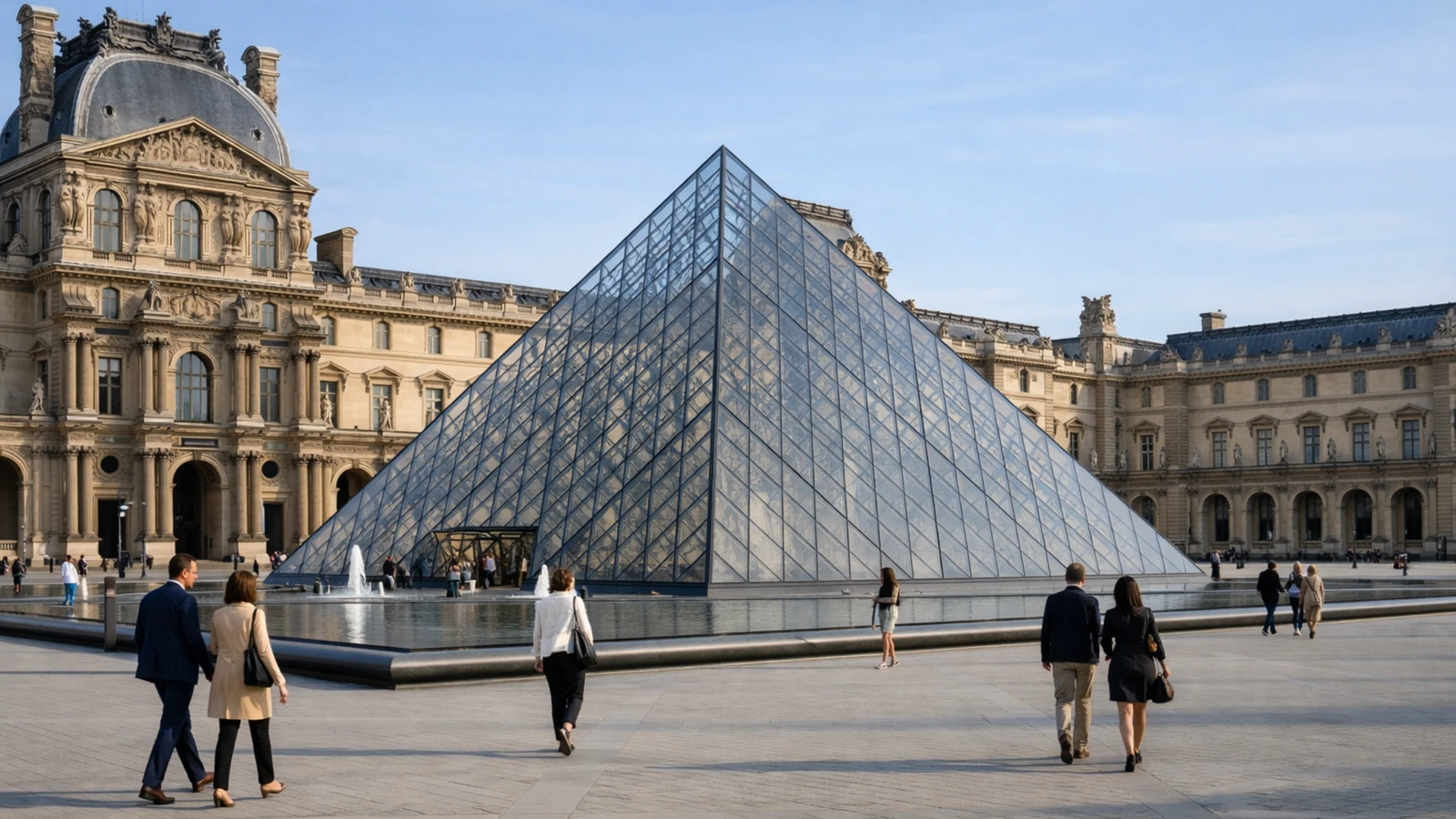
High-demand timed entry. Go at opening time and focus on 1–2 wings instead of “everything”. This keeps your day intact.
Eiffel Tower
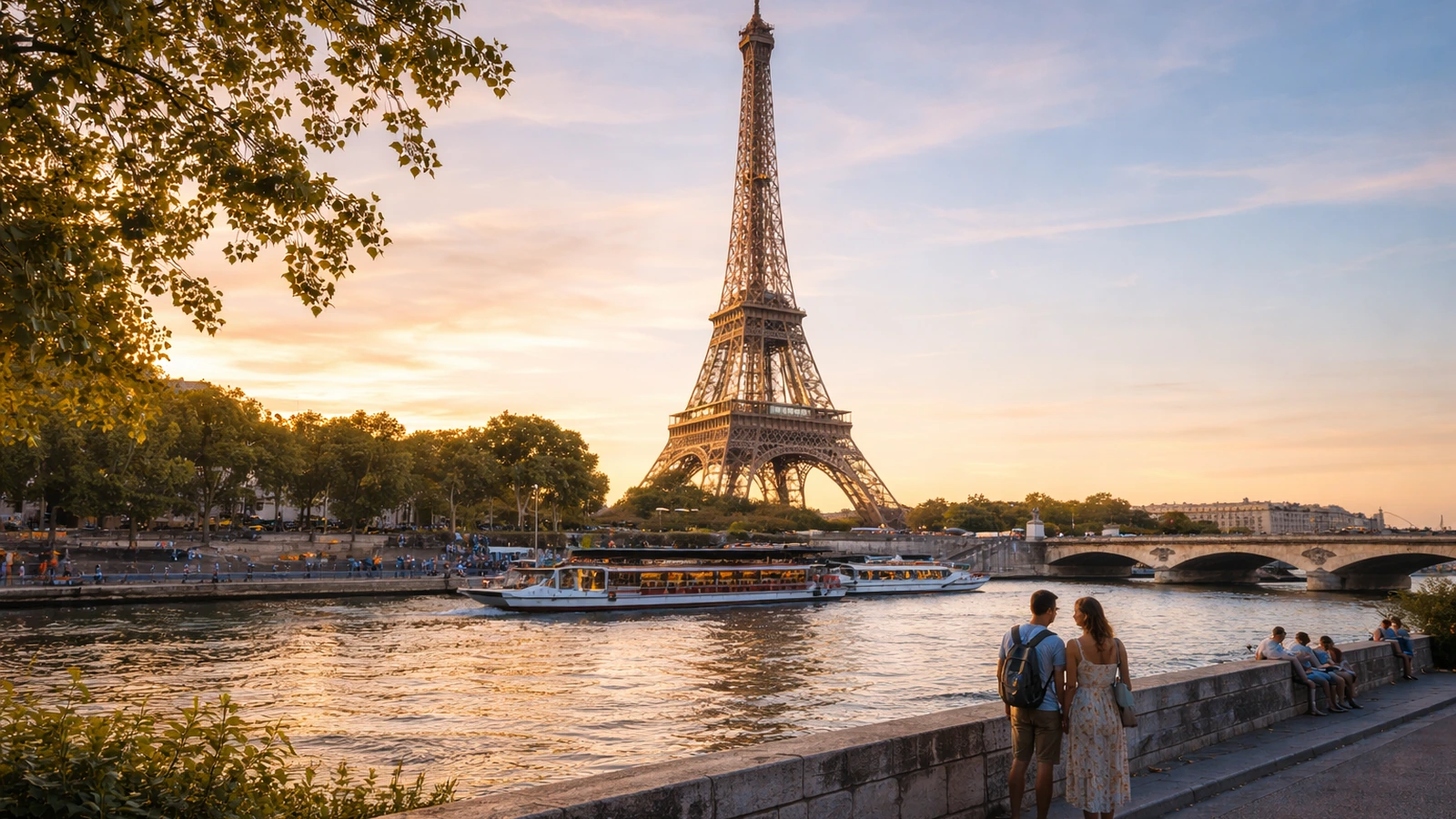
Late afternoon into evening gives you daylight views and city lights. Book timed entry ahead, especially in peak seasons.
Musée d’Orsay
Opening time is the lowest-friction visit. Pairs naturally with a Left Bank walk and cafés.
Notre-Dame area & Île de la Cité
Combine Sainte-Chapelle with a relaxed Seine walk. Ideal as a “flex block” between bigger anchors.
Montmartre & Sacré-Cœur
Morning is calmer. Use it as your “walkable reward” block where you explore slowly instead of sprinting.
Arc de Triomphe & Champs-Élysées
Best late in the day. Great after a museum anchor when you want something shorter and punchy.
Some results may contain affiliate links. If you book through them, TripGuidely may earn a commission at no extra cost to you.
Video guide: Paris in action
A quick visual walkthrough before you book.
Tip: Identify 1–2 “anchors” from the video, then book timed entries early to protect your plan.
Search tours & attractions in Paris
Pick your style, compare quickly, book smart.
Start broad, then narrow by time window and neighborhood. If you’re short on time, prioritize one anchor attraction + one guided experience.
Some results may contain affiliate links. If you book through them, TripGuidely may earn a commission at no extra cost to you.
Best tours in Paris
High-impact experiences when you want a no-stress day.

Seine cruises
Sunset and blue hour deliver the best light. Weekdays feel less crowded. Highest ROI for mood.
Food & pastry tours
Perfect on day one to learn neighborhoods fast and build confidence without overthinking.
Day trips (Versailles)
Book a morning slot and go early. Treat it as a full-day anchor and keep your evening light.
Montmartre walking tours
Great for story + context. Choose early time slots for calmer streets and better photos.
Some results may contain affiliate links. If you book through them, TripGuidely may earn a commission at no extra cost to you.
2-day Paris itinerary framework
Two tight days, built for flow.
Day 1: Right Bank focus
- Morning: Louvre (anchor ticket, opening time)
- Midday: Tuileries + Palais Royal (easy cluster)
- Afternoon: Le Marais walk (flex exploration)
- Evening: Seine walk + city lights
Day 2: Left Bank + skyline
- Morning: Musée d’Orsay (anchor)
- Midday: Saint-Germain cafés + Luxembourg Gardens
- Afternoon: Eiffel Tower (timed entry)
- Sunset: Seine cruise or Arc de Triomphe viewpoint
FAQ
Quick answers before you book.
How many days do you need in Paris?
3 days is a great baseline. 2 days works if you cluster neighborhoods and book timed entries early.
Should you book the Louvre in advance?
Yes. Reserve a timed-entry slot, ideally at opening time, to reduce lines and protect your day plan.
Best time for the Eiffel Tower?
Late afternoon into evening is ideal, but book ahead. For fewer crowds, choose morning or weekday slots.
How do I avoid wasting time on transit?
Use neighborhood clusters: one main area per half-day. Avoid crossing the city at midday. Transport details here: Paris transport guide.
Do you use affiliate links?
Some results may contain affiliate links. If you book through them, TripGuidely may earn a commission at no extra cost to you.
Keep planning
Turn “good tickets” into “good days”.
Next: If you want Paris to feel effortless, start with where you sleep and how you arrive.